Discovering Imperial College: A Beacon of Science, Engineering, Medicine, and Business
In the bustling heart of London lies Imperial College London, an institution synonymous with pioneering research, groundbreaking discoveries, and academic excellence. Revered as one of the UK’s foremost universities, Imperial College has carved out a unique niche, dedicating itself to the advancement of science, engineering, medicine, and business. With a vibrant community of approximately 15,000 students and 8,000 staff, Imperial stands as a testament to the power of focused academic pursuit and interdisciplinary collaboration.
This comprehensive article delves into the rich history, academic strengths, profound impact, and vibrant student life that define Imperial College London. We’ll explore its foundational vision, celebrate its remarkable achievements, and provide insights into why it continues to attract the brightest minds from across the globe. For those eager to delve deeper into specific aspects of Imperial, be sure to check out our related articles: Imperial College - Article 2 and Imperial College - Article 3.
The Enduring Vision: Tracing the Historic Roots of Imperial College
The very existence of Imperial College is rooted in an ambitious vision. It began with Prince Albert, the consort of Queen Victoria, who envisioned South Kensington as a grand cultural and educational district. His aspiration was to create a hub where knowledge, art, and science would flourish, with esteemed colleges standing proudly alongside world-class institutions like the Natural History Museum, the Victoria and Albert Museum, and the Science Museum. This dream laid the groundwork for what would become Imperial College London.
The institution officially received its royal charter in 1907, marking a pivotal moment in its history. This charter saw the strategic merger of three distinguished entities: the Royal College of Science, the Royal School of Mines, and the City & Guilds College (which joined slightly later in 1910). This consolidation brought together diverse strengths in scientific inquiry, mineral extraction, and practical engineering, forming a formidable new academic powerhouse. The spirit of collaboration and excellence fostered during these early mergers continues to define Imperial’s approach to education and research today.
A notable architectural reminder of Imperial's rich past is the iconic Queen's Tower. This majestic structure is all that remains of the Imperial Institute, originally built to commemorate Queen Victoria's Golden Jubilee in 1887. Standing tall, it serves as a powerful symbol of the institution's heritage and its enduring connection to the British monarchy. Further expanding its academic reach, Imperial College also notably merged with St Mary's Hospital Medical School in 1988, cementing its formidable presence in medical research and education. This integration deepened its expertise, particularly in clinical research and patient care, becoming a crucial component of its broader scientific mission.
A Nexus of Knowledge: Academic Prowess at Imperial College
At its core, Imperial College London is a testament to academic rigor and pioneering research. The institution's academic focus is sharply defined across four main pillars: science, engineering, medicine, and business. This strategic specialization allows Imperial to concentrate resources, attract top-tier talent, and achieve unparalleled depth in these critical fields. The commitment to these areas is not merely academic; it’s about generating real-world impact and driving societal progress.
Imperial's approach is distinctly interdisciplinary, recognizing that the most complex global challenges require solutions that transcend traditional boundaries. Students and researchers at Imperial are encouraged to collaborate across departments, fostering an environment ripe for innovation. For instance, an engineering student might work alongside a medical researcher to develop new diagnostic tools, or a business student might analyze the commercial viability of a scientific breakthrough. This collaborative ethos ensures that research is not only cutting-edge but also highly relevant and applicable.
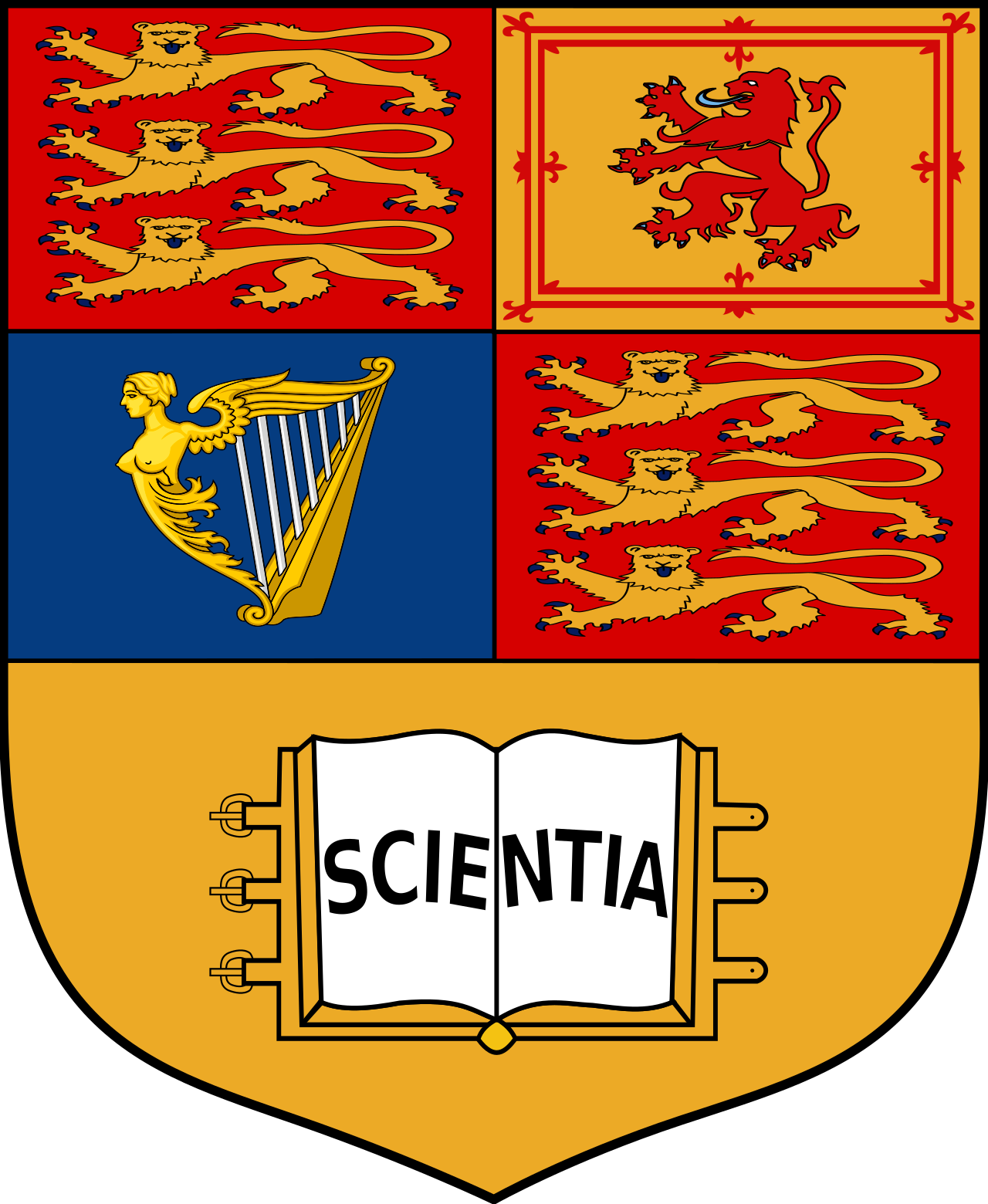
The college’s motto, _Scientia imperii decus et tutamen_, translates powerfully as "Scientific knowledge, the crowning glory and the safeguard of the empire." This isn't just an old saying; it encapsulates the institution's belief in the fundamental importance of scientific understanding for progress, security, and prosperity. It underscores Imperial’s historical and ongoing commitment to equipping its graduates with the knowledge and skills to lead and innovate on a global scale.
Practical Tip for Prospective Students: When considering Imperial College, explore the specific research centers and initiatives within your chosen field. Imperial's website details numerous interdisciplinary projects, from advanced robotics to climate change mitigation, offering unparalleled opportunities for engagement and specialization. Leveraging these resources can provide a significant advantage in your academic and career journey.
Impact and Influence: Nobel Laureates, Alumni, and Global Reach
The legacy of Imperial College London is perhaps best illustrated by the extraordinary achievements of its community. The institution proudly boasts 14 Nobel Prize winners, a remarkable feat that underscores its profound contributions to human knowledge and well-being. Among these luminaries is the renowned Sir Alexander Fleming, whose discovery of penicillin revolutionized medicine and saved countless lives – a stark reminder of the transformative power of research fostered at Imperial.
The impact of Imperial's education extends far beyond scientific discovery. Its alumni network is a constellation of influential figures who have made significant contributions across various sectors globally:
- H.G. Wells: The visionary science fiction author whose works like "The War of the Worlds" and "The Time Machine" shaped modern literature.
- Brian May: The legendary Queen guitarist, who is also an astrophysicist, demonstrating the breadth of talent cultivated at Imperial.
- Rajiv Gandhi: A former Prime Minister of India, highlighting Imperial’s role in shaping global leadership.
- Sir Liam Donaldson: Former UK Chief Medical Officer, a testament to Imperial’s influence on public health and policy.
- Chew Choon Seng: Former chief executive of Singapore Airlines, showcasing the institution’s impact on global business and industry.
These diverse figures exemplify the kind of critical thinking, innovation, and leadership that Imperial College instills in its students. Whether in science, arts, politics, or business, Imperial graduates are equipped to excel and drive change. This strong alumni network not only provides a source of inspiration but also offers valuable connections and mentorship opportunities for current students, opening doors to careers in leading organizations worldwide.
Life in South Kensington: Experiencing Imperial College London
Choosing to study at Imperial College London means immersing oneself in one of the world's most vibrant and intellectually stimulating environments. The college's prime location in South Kensington is a significant advantage, placing students at the epicentre of London's cultural and scientific heartland. Imagine having world-class museums – the Natural History Museum, the Victoria and Albert Museum, and the Science Museum – literally on your doorstep. These institutions are not just tourist attractions; they are invaluable resources for learning, research, and inspiration, providing an unparalleled extension to the classroom.
Beyond academics, life at Imperial is rich with opportunities. The college fosters a dynamic student community with a vast array of clubs, societies, and sports teams. From engineering societies that build rockets and race cars to cultural groups celebrating diversity, there’s something for every interest. This vibrant extracurricular scene is crucial for developing well-rounded individuals, offering a balance to the rigorous academic demands.
Insight for Prospective Students: Engaging with student societies is a fantastic way to develop soft skills like leadership, teamwork, and communication, all while building a strong network of peers. Furthermore, London itself serves as an extended campus. The city offers endless opportunities for cultural exploration, professional networking, and personal growth, making the student experience at Imperial truly unique.
For those considering a future at this esteemed institution, it’s worth noting that Imperial's career services are exceptionally strong, providing extensive support for internships, job placements, and entrepreneurial ventures. The focus on practical application and industry connection ensures that graduates are highly sought after by employers globally, solidifying Imperial's role in shaping future leaders and innovators.
In conclusion, Imperial College London stands as a towering institution of global significance. From its visionary origins under Prince Albert to its current status as a world leader in science, engineering, medicine, and business, Imperial consistently pushes the boundaries of knowledge and innovation. Its commitment to academic excellence, groundbreaking research, and the development of future leaders ensures that its motto, "Scientific knowledge, the crowning glory and the safeguard of the empire," remains as relevant today as it was over a century ago. For anyone aspiring to contribute meaningfully to the world through scientific or technological advancement, Imperial College offers an unparalleled platform for growth, discovery, and impact.