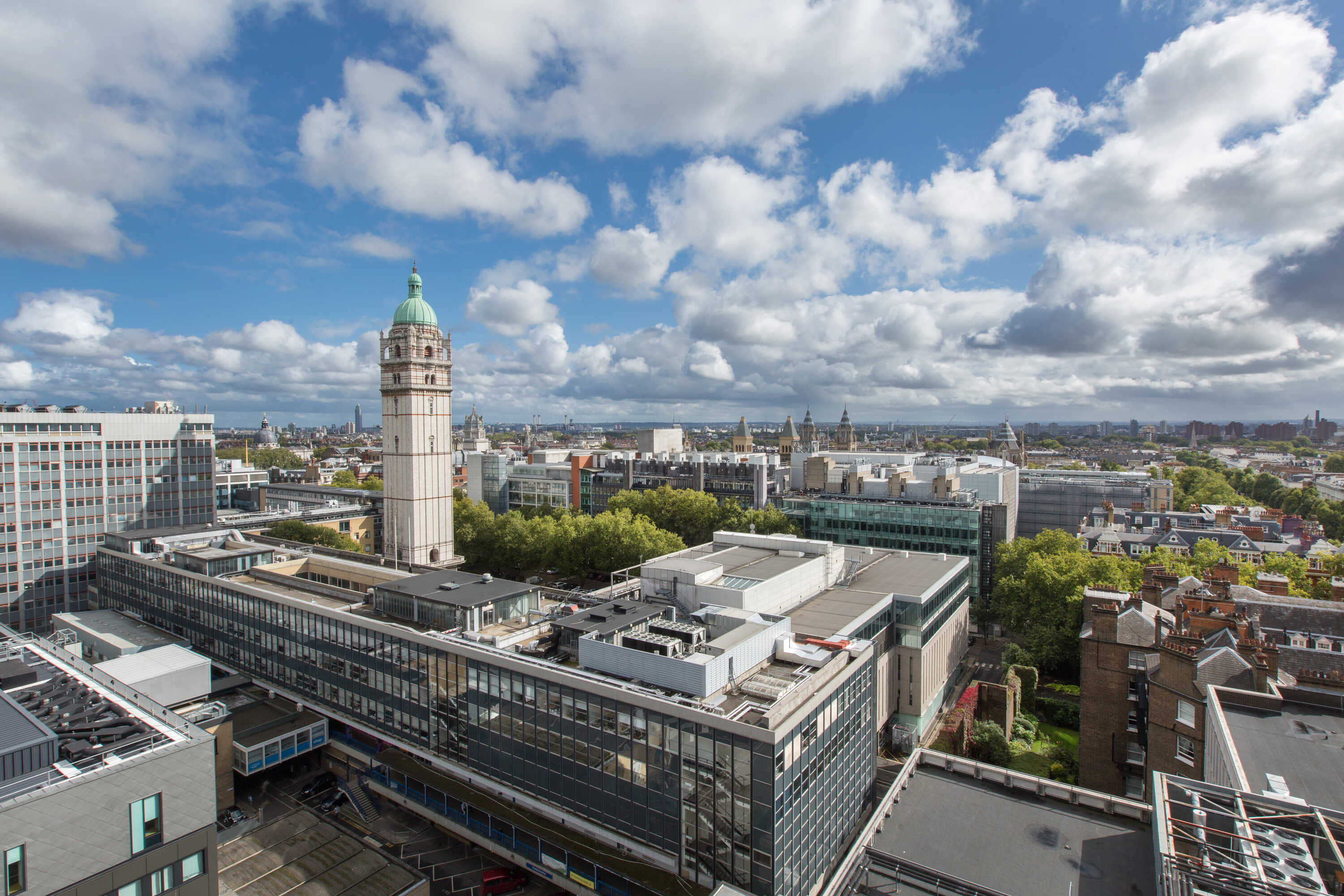
Unveiling Imperial College London: A Global Hub of Innovation and Excellence
In the vibrant heart of London stands Imperial College London, an institution consistently ranked among the world's elite universities. Renowned for its unparalleled focus on science, engineering, medicine, and business, Imperial College has cultivated a sterling reputation as a beacon of research, discovery, and innovation. Far more than just an educational establishment, it is a dynamic ecosystem where brilliant minds converge to tackle the most pressing global challenges, shaping the future through groundbreaking advancements and a commitment to academic rigour.
For prospective students, researchers, and industry partners alike, understanding the unique ethos and formidable capabilities of Imperial College is paramount. It represents not just a pathway to a degree, but an immersion into an environment steeped in historical significance, cutting-edge research, and a legacy of transformative impact. As we delve deeper, we'll explore what truly makes this science-based powerhouse an undisputed leader in higher education and a cornerstone of the UK's intellectual landscape.
A Legacy Forged in Vision: The Genesis of Imperial College London
The very foundation of Imperial College London is rooted in an ambitious vision that traces back to Prince Albert, the illustrious consort of Queen Victoria. Prince Albert, a staunch advocate for education and the arts, dreamt of transforming South Kensington into a grand cultural and educational district, an enduring legacy that would benefit the nation and the world. His foresight led to the establishment of iconic institutions that now neighbour Imperial College, including the Natural History Museum, the Victoria and Albert Museum, the Science Museum, and the majestic Royal Albert Hall, creating an unparalleled intellectual and cultural quarter within the capital.
This grand vision began to coalesce into the institution we know today with the formal granting of Imperial College's charter in 1907. This pivotal moment saw the strategic merger of three distinguished colleges: the Royal College of Science, the Royal School of Mines, and the City & Guilds College. Each brought its own rich history and specialised expertise, forming a formidable new entity dedicated to scientific and technical excellence. The Royal College of Science, for instance, had a strong foundation in pure sciences, while the Royal School of Mines was a pioneer in earth sciences and mining engineering. The City & Guilds College, on the other hand, focused on practical engineering and technological applications. This fusion created a multidisciplinary powerhouse designed to drive industrial progress and scientific discovery, laying the groundwork for Imperial College - Article 1's enduring impact.
This historical amalgamation wasn't merely an administrative convenience; it was a deliberate strategy to consolidate expertise and resources, fostering an environment where interdisciplinary collaboration could thrive. The early decades saw Imperial College rapidly expand its influence, attracting leading academics and talented students, solidifying its position as a national leader in scientific and engineering education. The commitment to Prince Albert's original vision – to make London a centre for scientific and technological advancement – has remained a guiding principle, ensuring that Imperial College London continues to stand at the forefront of global innovation.
Pillars of Excellence: Academic Focus and Enduring Impact
At its core, Imperial College London is built upon four distinctive yet interconnected pillars of academic excellence: science, engineering, medicine, and business. This specialised focus allows Imperial to delve deep into these critical areas, fostering world-leading research, pioneering innovative solutions, and cultivating future leaders who are equipped to address the complex challenges of the 21st century. With a bustling community of approximately 15,000 students and a dedicated staff of 8,000, Imperial operates on a significant scale, translating into a vibrant and diverse academic environment.
In Science, Imperial College pushes the boundaries of fundamental understanding, from quantum physics to advanced computational methods. Its research frequently leads to breakthroughs that redefine our perception of the natural world. The Engineering faculty is equally prolific, known for its practical innovation across disciplines like aerospace, civil, chemical, and bioengineering. Students and researchers here are not just learning theories; they are designing the future, from sustainable energy systems to advanced robotics and intelligent infrastructure.
The medical contributions of Imperial are profound. In 1988, the institution further bolstered its medical capabilities through a significant merger with St Mary's Hospital Medical School, enhancing its clinical research and training facilities. This integration cemented Imperial's status as a top-tier medical institution, renowned for its work in public health, infectious diseases, and biomedical research. Finally, the Imperial College Business School, though younger than its scientific and engineering counterparts, has quickly established itself as a leader in applying cutting-edge research to real-world business challenges, particularly in areas like entrepreneurship, innovation, and finance, often with a strong technological emphasis.
The synergy between these four areas is a hallmark of Imperial College. For example, medical research often benefits from engineering solutions, while business students gain insights into commercialising scientific discoveries. This interdisciplinary approach not only enriches the academic experience but also drives more holistic and impactful research outcomes, ensuring Imperial College London remains at the forefront of global progress.
Minds That Matter: Nobel Laureates and Illustrious Alumni
The true measure of any world-class institution lies not just in its facilities, but in the calibre of the minds it attracts and produces. Imperial College London boasts an extraordinary legacy of intellectual achievement, evidenced by its impressive tally of 14 Nobel Prize winners. These laureates represent the pinnacle of scientific discovery, making contributions that have fundamentally altered human understanding and improved lives globally. Perhaps the most famous among them is Sir Alexander Fleming, whose accidental discovery of penicillin at St Mary's Hospital Medical School (later merged with Imperial) revolutionised medicine and saved countless lives, marking a monumental turning point in the fight against infectious diseases.
Beyond Nobel Prizes, the alumni network of Imperial College is a testament to its diverse influence across virtually every sector imaginable. Its graduates have excelled in fields as varied as literature, music, politics, and global business, demonstrating the institution's capacity to foster not just specialists, but well-rounded innovators and leaders. Consider H.G. Wells, the visionary science fiction author whose works like "The War of the Worlds" and "The Time Machine" continue to captivate; his Imperial education undoubtedly fueled his imaginative foresight. In the realm of music and science, we find Brian May, the legendary guitarist for Queen, who also holds a PhD in astrophysics, exemplifying the interdisciplinary brilliance nurtured at Imperial.
Politically, Imperial has shaped global leadership, with alumni like Rajiv Gandhi, a former Prime Minister of India, demonstrating its reach into international governance. In public health, Sir Liam Donaldson, a former UK Chief Medical Officer, stands as a testament to Imperial's impact on national well-being. The business world also benefits from Imperial's graduates, as evidenced by figures like Chew Choon Seng, former Chief Executive of Singapore Airlines, who navigated one of the world's leading carriers. These stories underscore how an Imperial education equips individuals with the critical thinking, problem-solving skills, and deep knowledge required to excel and lead in a complex world, making it a truly global talent incubator.
Beyond the Books: Campus Life and Iconic Landmarks
Life at Imperial College London extends far beyond lectures and laboratories. Situated in the vibrant and culturally rich district of South Kensington, the campus itself is an integral part of the student experience, blending historical grandeur with modern facilities. The very motto of the college, "Scientia imperii decus et tutamen," which translates to "Scientific knowledge, the crowning glory and the safeguard of the empire," succinctly encapsulates its mission: to harness the power of science for societal progress and protection. This ethos permeates the campus culture, inspiring students to pursue knowledge with purpose and impact.
One of the most striking architectural features and a true landmark of Imperial College is the magnificent Queen's Tower. This elegant structure stands as a proud reminder of the Imperial Institute, originally built to commemorate Queen Victoria's Golden Jubilee in 1887. The tower, with its distinctive bell carillon, serves as a central point of the campus and a symbol of Imperial's deep historical roots and its enduring connection to royal patronage and national significance. Its presence adds a touch of timeless elegance to a campus buzzing with contemporary research and innovation.
For students, living and studying in South Kensington offers an unparalleled experience. They are within walking distance of world-class museums, beautiful parks like Hyde Park, and a plethora of cultural attractions. The central London location also means access to an endless array of social opportunities, networking events, and career prospects in one of the world's leading global cities. Imperial College students benefit from a highly international and diverse community, with over 150 student societies covering everything from academic interests to sports, arts, and cultural groups. This rich tapestry of extracurricular activities ensures a well-rounded university experience, fostering personal growth, leadership skills, and lifelong friendships.
Why Choose Imperial College? Practical Insights for Prospective Students
Choosing Imperial College is a decision to invest in a future defined by innovation, impact, and unparalleled opportunity. Prospective students should be prepared for a highly rigorous and intellectually stimulating environment. Here are some practical insights:
- Academic Excellence: Imperial demands a high level of academic aptitude, particularly in STEM subjects. Strong grades and a genuine passion for your chosen field are essential.
- Research Opportunities: Students, even undergraduates, often have opportunities to engage in cutting-edge research. Actively seeking out these experiences can significantly enhance your learning and career prospects.
- Global Network: An Imperial degree opens doors to a vast global network of alumni and industry connections. Engage with career services and alumni events early to leverage these opportunities.
- Career Prospects: Graduates are highly sought after by top employers worldwide, particularly in technology, finance, consulting, engineering, and medicine.
- London Advantage: Embrace the vibrant city life. London offers endless cultural experiences, internships, and networking opportunities that complement your academic journey.
- Interdisciplinary Focus: Don't be afraid to explore connections between your primary field and others. Imperial encourages a holistic approach to problem-solving.
To further explore the nuances of what Imperial College offers, we encourage you to read Imperial College - Article 1 and Imperial College - Article 2, which delve into specific aspects of the university's impact and offerings.
Conclusion
Imperial College London stands as a monumental force in global higher education, a testament to Prince Albert's enduring vision and a powerhouse of scientific, engineering, medical, and business innovation. From its foundational mergers in 1907 to its continuous stream of Nobel laureates and influential alumni, Imperial has consistently demonstrated its commitment to pushing the boundaries of knowledge and applying that knowledge for the betterment of society. Its strategic location in South Kensington, coupled with a vibrant campus culture centred around its inspiring motto and iconic Queen's Tower, offers an unparalleled environment for learning and discovery. As the world faces increasingly complex challenges, Imperial College London remains at the forefront, nurturing the brilliant minds and pioneering the transformative research that will continue to shape our future for generations to come.