Imperial College London: A Global Hub for Science, Engineering, Medicine, and Business
In the heart of one of the world's most dynamic capitals, Imperial College London stands as a beacon of scientific excellence and innovation. Consistently ranked among the UK's and the world's leading institutions, Imperial College is not just a university; it's a vibrant ecosystem where groundbreaking research meets world-class education. With a singular focus on science, engineering, medicine, and business, this institution has cultivated a reputation for producing graduates and research that shape the future.
Often referred to simply as Imperial College, its full designation as the Imperial College of Science, Technology and Medicine underscores its specialized, interdisciplinary approach. Situated in the illustrious South Kensington district, a locale synonymous with culture and learning, Imperial offers an unparalleled academic experience, drawing approximately 15,000 students and employing 8,000 staff from across the globe. This diverse community thrives on a shared passion for discovery and practical application, driven by a commitment to solving some of humanity's most pressing challenges.
A Legacy Forged in Vision and Innovation
The foundations of Imperial College London are deeply intertwined with a grand vision for education and culture in the capital. The genesis of Imperial can be traced back to Prince Albert, husband of Queen Victoria, who envisioned South Kensington as a formidable district dedicated to knowledge and the arts. His ambitious plan saw the establishment of world-renowned institutions like the Natural History Museum, the Victoria and Albert Museum, the Science Museum, and the Royal Albert Hall, creating a synergistic environment where learning and cultural enrichment could flourish side-by-side.
This visionary spirit culminated in the official granting of Imperial College's charter in 1907. It began as a merger of three esteemed institutions: the Royal College of Science, the Royal School of Mines, and the City & Guilds College. Each brought its unique strengths – the Royal College of Science, founded in 1845, focused on pure and applied sciences; the Royal School of Mines, dating back to 1851, excelled in earth sciences and mining engineering; and the City & Guilds College, established in 1884, pioneered in mechanical and electrical engineering. This strategic amalgamation laid the groundwork for a multidisciplinary powerhouse dedicated to scientific and technological advancement. Further enhancing its medical offerings, Imperial also merged with St Mary's Hospital Medical School in 1988, solidifying its position in medical research and education.
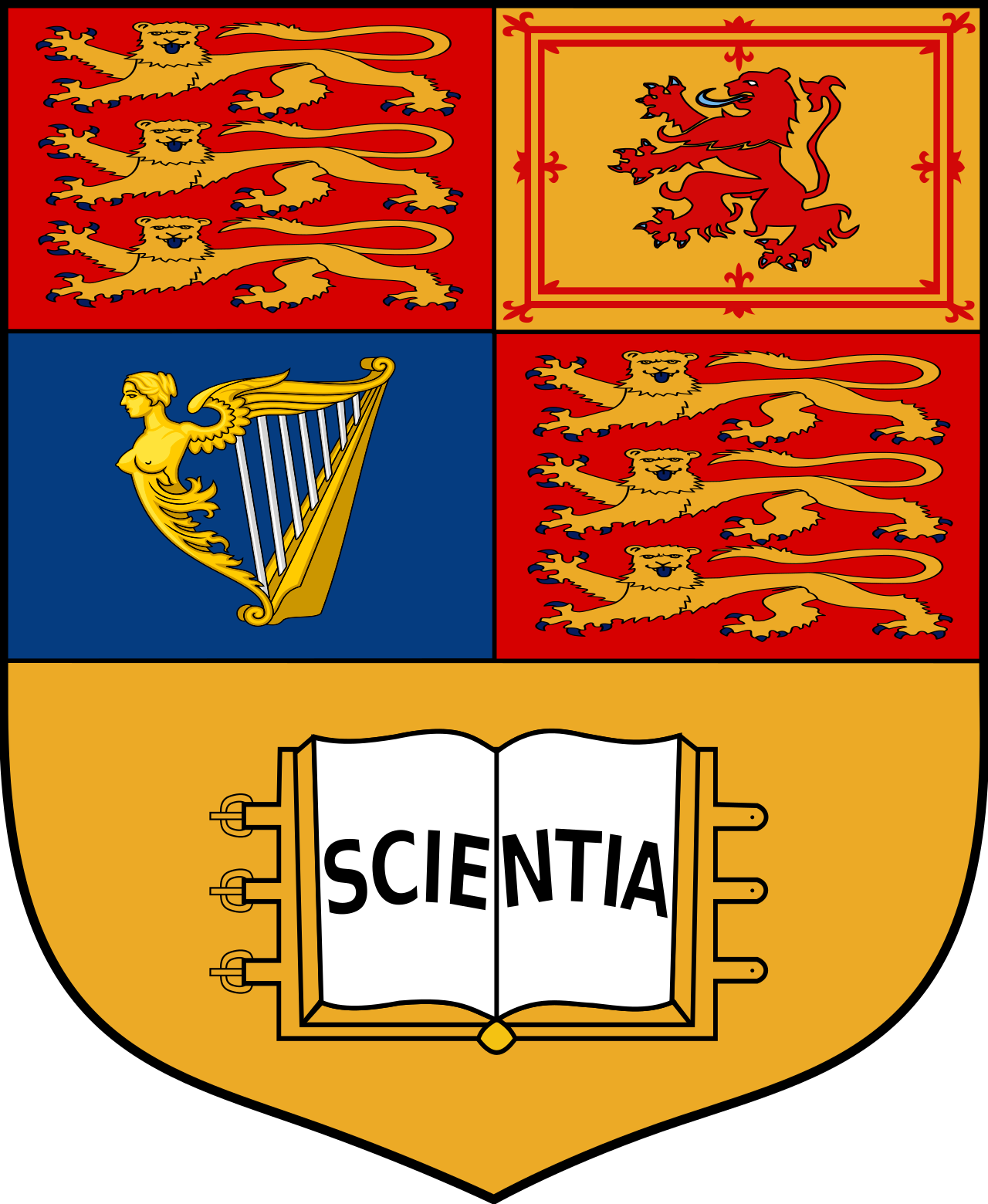
The college's enduring motto, _Scientia imperii decus et tutamen_, translates elegantly to "Scientific knowledge, the crowning glory and the safeguard of the empire." This Latin phrase is more than just words; it encapsulates Imperial's profound belief in the transformative power of scientific understanding, not only for academic prestige but also as a fundamental pillar for societal progress and security. It serves as a constant reminder of the institution's commitment to impactful research and education. Visitors and students alike can marvel at the Queen's Tower, a prominent landmark that stands as a tangible link to this rich history, being a remainder of the Imperial Institute built to commemorate Queen Victoria's Golden Jubilee in 1887. For more insights into the college's historical journey and its impact, explore Imperial College - Article 1.
Pillars of Excellence: Science, Engineering, Medicine, and Business
The distinct strength of Imperial College London lies in its concentrated focus on four interconnected areas: science, engineering, medicine, and business. This specialization allows for an intensity of research and teaching that few other universities can match. Rather than diluting resources across a vast array of subjects, Imperial channels its considerable intellect and funding into pushing the boundaries within these critical fields, fostering an environment ripe for innovation and discovery.
Within science, Imperial is at the forefront of fields ranging from theoretical physics to cutting-edge biology, exploring fundamental questions and developing new technologies. Its engineering faculties are renowned globally for their contributions to everything from aerospace and civil engineering to material science and artificial intelligence. The Faculty of Medicine is a leader in medical research and education, tackling global health challenges and pioneering new treatments, often working in close collaboration with world-class hospitals. Complementing these technical disciplines, the Imperial College Business School provides a unique perspective, focusing on innovation, entrepreneurship, and the commercialization of scientific breakthroughs, effectively bridging the gap between scientific discovery and market application.
This specialized approach offers practical benefits for students. An Imperial degree signifies not just theoretical knowledge but also a deep engagement with practical, real-world challenges. Students are often involved in research projects from early stages, working alongside world-leading academics. This hands-on experience, coupled with a curriculum constantly updated to reflect the latest advancements, prepares graduates to hit the ground running in their chosen careers. The interdisciplinary nature of research at Imperial means that students frequently collaborate across departments, mirroring the collaborative environments found in leading industries and research institutions. This setup is ideal for those aspiring to careers in R&D, tech startups, healthcare innovation, or strategic roles in science-driven businesses.
Cultivating Minds: Notable Alumni and Nobel Laureates
The success of an institution is often measured by the impact of its people, and Imperial College London boasts an impressive roster of alumni and faculty who have left an indelible mark on the world. This tradition of excellence is perhaps best exemplified by its fourteen Nobel Prize winners, a testament to the college's commitment to fostering groundbreaking research.
Among the most celebrated Nobel laureates is Sir Alexander Fleming, whose discovery of penicillin revolutionized medicine and saved countless lives. His work at Imperial underscores the institution's long-standing dedication to medical innovation and its profound influence on global health. Beyond the Nobel laureates, the list of famous alumni spans a remarkable spectrum of fields, showcasing the diverse career paths an Imperial education can unlock:
- H.G. Wells: A visionary science fiction author whose works like The War of the Worlds and The Time Machine continue to captivate audiences and inspire scientific thought.
- Brian May: The iconic lead guitarist of Queen, who also holds a PhD in astrophysics from Imperial, embodying the fusion of artistic talent and scientific intellect.
- Rajiv Gandhi: A former Prime Minister of India, demonstrating Imperial's influence on global leadership and policy.
- Sir Liam Donaldson: Former UK Chief Medical Officer, a key figure in public health and medical policy.
- Chew Choon Seng: Former Chief Executive of Singapore Airlines, highlighting Imperial's impact on global business and industry.
What unites these disparate figures is an education rooted in rigorous inquiry, critical thinking, and an environment that encourages intellectual fearlessness. An Imperial College degree is more than just a credential; it's a foundation for impactful contributions, whether in scientific discovery, entrepreneurial ventures, political leadership, or artistic expression. For prospective students, this lineage of success offers inspiration and a clear indication of the high standards and opportunities that await. Studying at Imperial means becoming part of a legacy that values curiosity, innovation, and global citizenship, preparing you not just for a job, but for a career of significance.
The Imperial Experience: Beyond Academics in Central London
Life as a student at Imperial College London is an immersive experience that extends far beyond lecture halls and laboratories. With a vibrant community of 15,000 students and 8,000 staff, the campus is a microcosm of global talent, fostering an environment of collaboration, debate, and discovery. The compact yet dynamic campus in South Kensington creates a strong sense of community, making it easy for students to connect, form study groups, and engage in extracurricular activities.
One of the most significant advantages of studying at Imperial is its prime location in central London. South Kensington is not just an academic hub; it's a cultural epicenter. Students have unparalleled access to world-class museums, galleries, theatres, and historical sites, offering endless opportunities for enrichment and relaxation. The proximity to major corporations, research institutions, and governmental bodies also provides invaluable networking opportunities, internships, and career prospects, particularly within the STEM and business sectors. This blend of academic rigor and metropolitan vibrancy creates a truly unique student experience.
Beyond the classroom, Imperial College offers a plethora of student societies, sports clubs, and volunteer initiatives, catering to every interest imaginable. From engineering design challenges and hackathons to debating societies and cultural groups, there are countless ways to develop new skills, pursue passions, and build lifelong friendships. The college's strong links with industry also mean that students often benefit from guest lectures, mentorship programs, and career fairs that provide direct pathways into leading organizations worldwide. The support services, from academic advising to mental health resources, are designed to ensure that every student can thrive in this demanding yet rewarding environment.
Choosing to study at Imperial College means embracing a lifestyle where intellectual challenge meets urban excitement. It’s an ideal place for ambitious individuals who want to combine a world-class education with the unparalleled opportunities of living in one of the world's most influential cities. To dive deeper into student life and what a typical day might look like, check out Imperial College - Article 3.
In conclusion, Imperial College London stands as a testament to sustained excellence in science, engineering, medicine, and business. From its foundational vision inspired by Prince Albert to its current status as a global leader in research and education, Imperial continues to attract the brightest minds and produce innovations that change the world. Its distinctive focus, combined with its illustrious history and unparalleled London location, makes it a premier destination for anyone aspiring to make a significant impact in the scientific and technological landscape of the 21st century. An Imperial education is not merely about acquiring knowledge; it's about joining a legacy of discovery, innovation, and global influence.